

How do I build a Culture where recognition and respect become natural - not just occasional events?
It’s not the workload that drains teams —
it’s the silence when their effort goes unseen.
Why It Matters
Recognition and respect aren’t optional extras — they’re foundational to how people feel valued, committed and motivated.
Research from Gallup shows that employees who feel recognized are significantly more engaged, twice as likely to stay, and more productive. Gallup.com
A large-scale study of 25,000+ employees found that recognition had a stronger positive impact on engagementthan many other workplace factors such as fairness or workload. PMC
According to psychologist Inma Puig, “recognizing others is a way of showing care” — and it doesn’t require budgets or complex programmes. Aurum Speakers Bureau
Symbolic recognition (thank you notes, public acknowledgement) has been shown to offer a “big morale boost” despite being low-cost. Harvard Business School
When recognition is absent, teams don’t always revolt—they fade. Effort goes unseen, engagement wanes, and the promise of potential never fully surfaces.
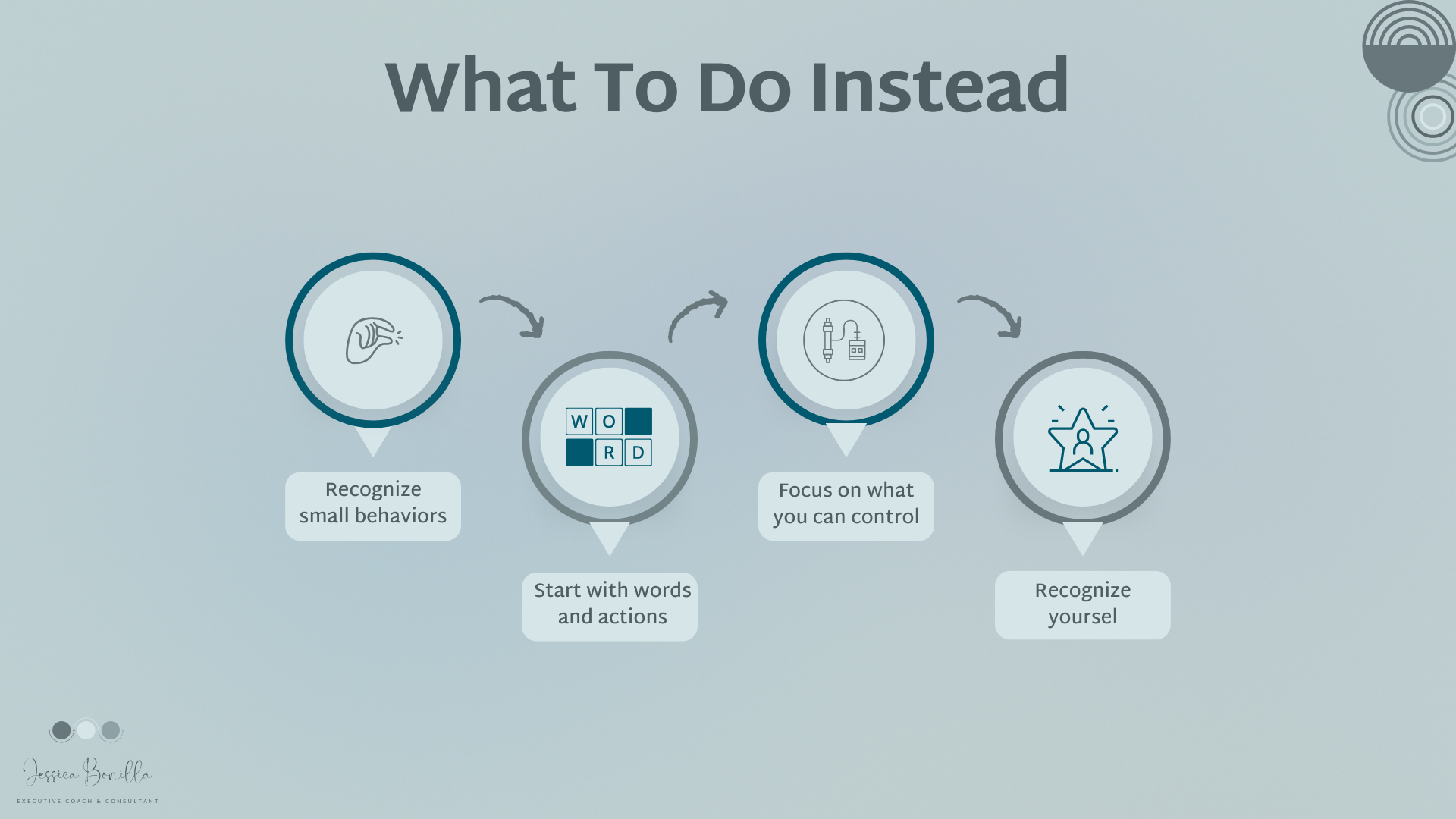
Common Challenges & What to Do Instead
Challenge 1: Recognition feels one-off, forced, or tied only to major results.
➡ Instead: Recognize small behaviours, everyday wins, and effort — not just outcomes.
Challenge 2: You focus on budget or formal programmes and overlook simple acts of visibility and acknowledgement.
➡ Instead: Start with words and actions you can give freely. As Inma Puig says: “the simplest gesture of recognition shows care and builds connection.”
Challenge 3: You try to change the whole culture at once and feel overwhelmed.
➡ Instead: Focus on the environment you control—your team, your meetings, your 1-to-1s. Small shifts here ripple outward.
Challenge 4: Many things are going right (85-95% say so), but teams remember the few things that go wrong.
➡ Instead: Lead by example—recognize yourself, choose kindness publicly, then extend it to others.
When you model respect and appreciation, you invite others to do the same.
Own your leadership environment.
What to Do Instead
Here’s a practical three-step approach leaders can follow to build recognition into the flow of their team’s work:
Value Recognition First
Recognize that you have control over how visible effort is in your team.
Ask: What small act of recognition could I give today that says “I saw you”?
Begin with your mindset: you are not waiting for a budget or programme — you start now.
Decide on Simple, Impactful Habits
Choose one habit you can implement this week: e.g., start each meeting with a brief “What work impressed me this week?” round.
Make the habit specific: who, what, when, how.
Ensure it fits your immediate environment (your team, your 1-1s, your next project) — you don’t need to change the whole organisation at once.
Take Action & Model It
Act consistently: even small actions build trust and visibility.
Example phrases: “I noticed how you handled that client call,” “Thank you for staying late on that analysis—it made a difference,” “Your collaboration in the meeting helped the team move faster.”
Model self-recognition too: when you acknowledge your own growth or effort, you build a culture of kind visibility.
Track the ripple: notice who follows with recognition of others, and celebrate that too.
Final Reflection
Recognition is not optional — it’s leadership in action.
Who on your team will you let feel truly seen this week?
Reply to this newsletter or share below. Let’s build a movement, one acknowledgement at a time.
Lead with What Matters series.